The Many Benefits of Coffee
OCM Recommends
Latest event/Webinar
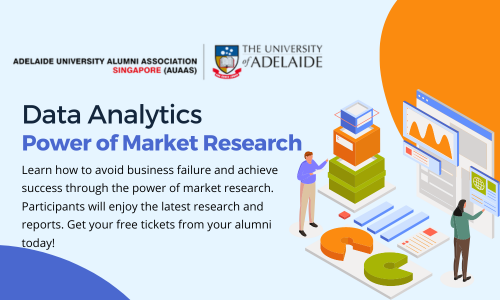
Learn more about the event on The Power of Market Research organised by Alumni of Adelaide University.
**Gain insights into Singapore Industry with a free F&B industry report valued at $495.
See you on 24 August 1630 hr. (Sign up below)
Free tickets code: adelaide0823
Starting a coffee shop?: Free Cafe Setup cost Calculator
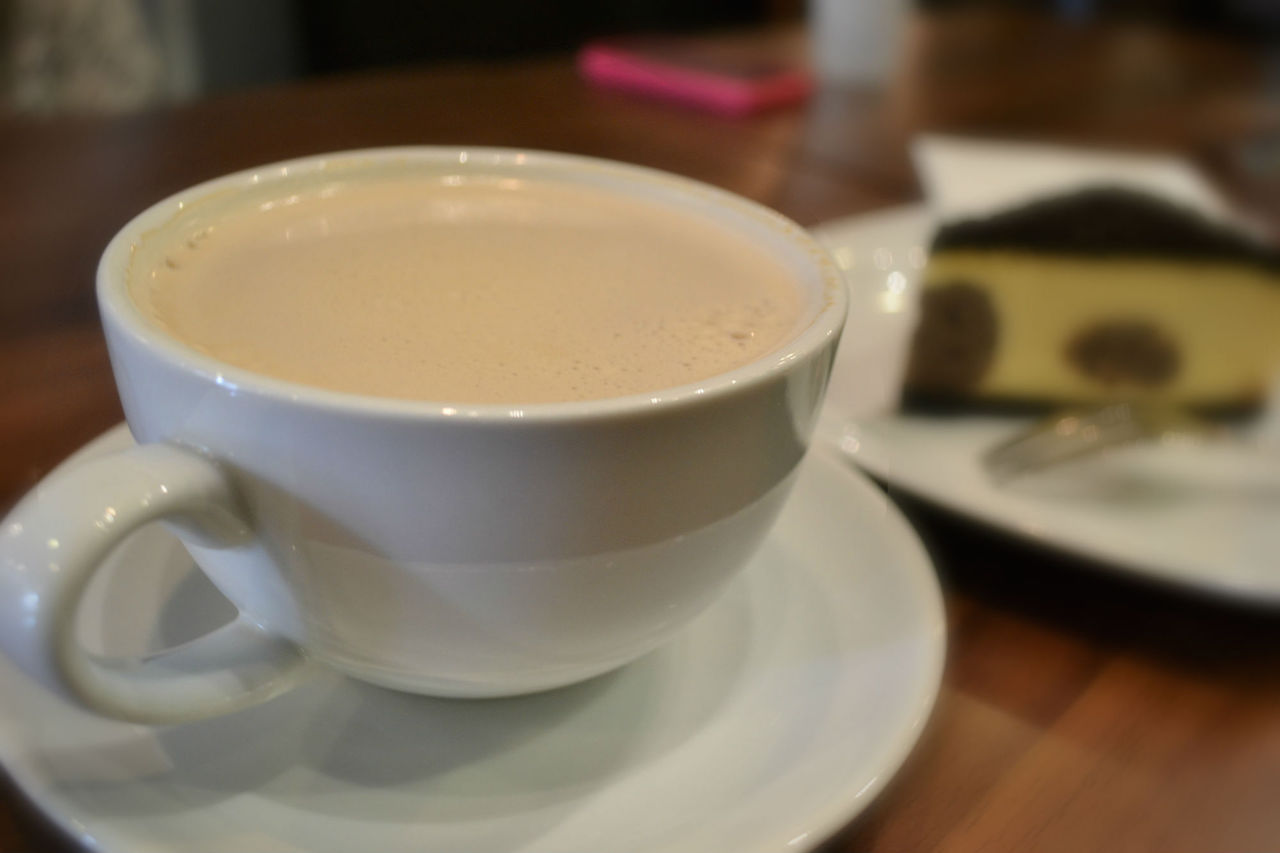
Caffeine is generally a cause for concern, as it is a common part of every coffee beverage, such as drip coffee, espresso, and pressed, among others.
On the other hand, coffee drinking is more viewed today as beneficial, and has a more positive effect on health. Therefore, what is this cause for this drastic change?
Thanks to the advancements in science and the benefits of research, coffee drinking has been studied more closely, in particular, to its relationship with various medical conditions.
Coffee was once viewed as a cause for cancer and heart disease. As it turns out, coffee consumption is not the cause to any form of cancer at all, and even helps prevent colon cancer.
Furthermore, a continuing study by the Harvard School of Public Health has reasoned that the benefits of coffee drinking far outweigh the risks.
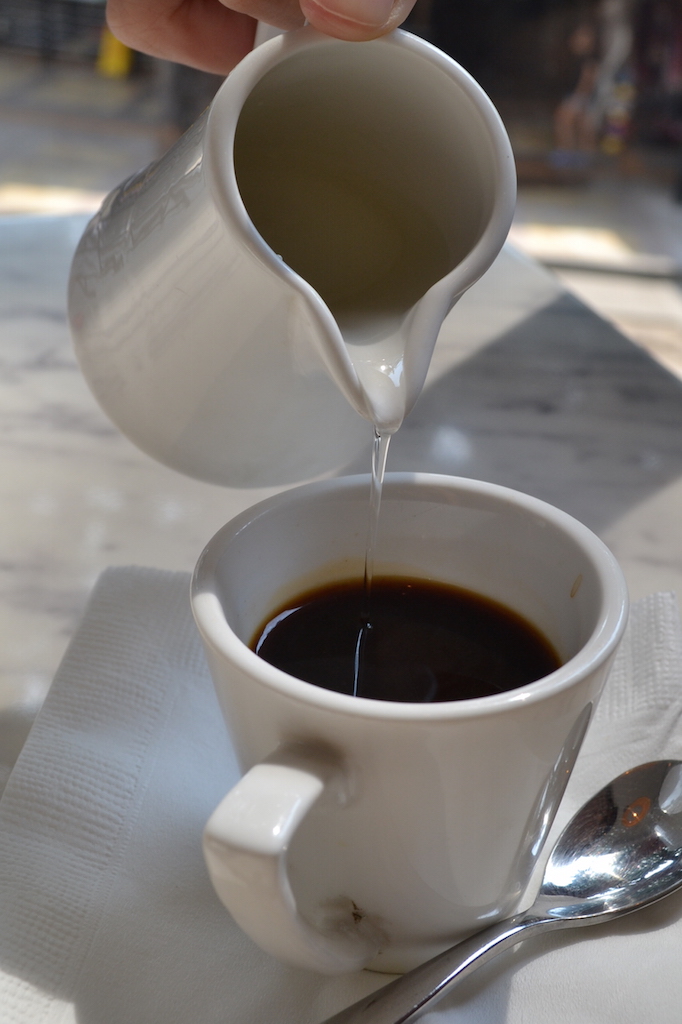
What are the benefits of coffee? Aside from its immediate and obvious benefit of perking us up when we need to stay up at night, coffee consumption helps prevent various diseases, such as Alzheimer’s disease, Parkinson’s disease, gout, diabetes, and heart disease, among others.
Recent scientific discoveries on the benefits of coffee all come from its unique blend of anti-oxidants, and its caffeine content.
Anti-oxidants in the coffee help prevent cell damage. As our cells use up oxygen, they release radicals that cause damage to other cells. Anti-oxidants prevent and repair cell damage caused by these radicals.
Featured coffee brewing method: How to prepare V60 Coffee?
Previously: Making Coffee with a Coffee Sock.
Recent Articles


-
How to Do Menu Engineering: Complete Guide to Restaurant Profitability
Sep 27, 24 03:09 AM
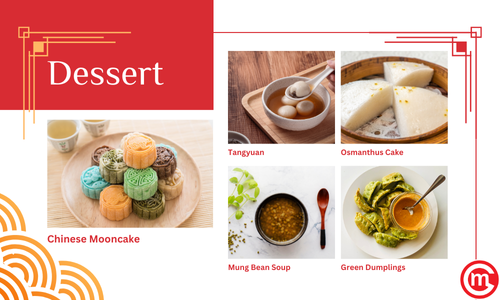 Learn how to do menu engineering to boost your restaurant’s profitability. Discover strategies for menu design, pricing, and maximizing profitability.
 -
Tim Hortons Singapore is a Canadian Coffee Chain?
Nov 16, 23 09:00 AM
 Do you know that Tim Hortons Singapore is a Canadian Coffee Chain? Apparently only 46% knows that in our IG poll!
 -
Coffee report on WMF Coffee Machine Brand in Singapore
Oct 11, 23 03:45 AM
 Coffee report on WMF Coffee Machine Brand in Singapore
Featured: Office Coffee Machines
Follow Oncoffeemakers.com's board Office Coffee Machines | Singapore on Pinterest.Do check out other cool boards such as the one all on how to make coffee and drip coffee.
Food and Beverage (F&B) Articles
Sustainability Practices in Food Service
3 Free Restaurant Marketing Ideas
Singapore Cafes Reviews -Can they be Trusted?
Location, location, location might be a myth!
Walmart and Walter -The Power of Social Media!
Importance of value pricing for Cafes In Singapore
Why Nescafe is still the Largest Roaster in the World?
Everyone likes Starbucks -here's why
Is your Cafe location an asset or a liability?
Location myopia: why good anchor tenant might not be good?
Measuring the Location attractiveness index.
Social Media Crisis Management for Cafes in Singapore
Why I stopped Selling Social Media?
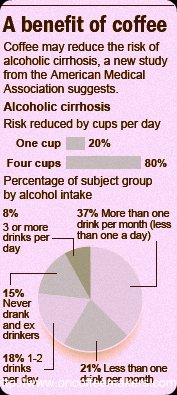
Coffee is one of the richest sources of anti-oxidants in our daily diet. Furthermore, it does not matter which type of coffee you prefer whether it’s organic coffee, non-organic coffee, or espresso. Different kinds of coffee provide the same amount of anti-oxidants.
Caffeine, as it turns out, helps improve memory. The human memory is most effective early in the morning. As the hours go by, human memory performance drops.
Caffeine stimulates the brain and helps keep memory to perform at the same capacity as it did in the morning. This study was published by the University of Arizona in 2002.
It is interesting to note that their test subjects who took decaffeinated coffee did not experience the same effects, since decaffeinated coffee only consists of very miniscule amounts of caffeine.
Furthermore, caffeine helps increase endurance. This is why you take coffee when you need to stay up at night. Caffeine also shares this beneficial effect with other types of food such as dark chocolate. This benefit of dark chocolate and caffeine has not been unnoticed for too long. Before, some Olympic athletes used to take 100mg caffeine pills to help with their performance before each Olympic event.
Today though, this abuse has forced the Olympic Committee to label caffeine as a restricted substance, as it gives an unnecessary advantage in Olympic events.
These benefits of coffee all stem from the rule that coffee should be taken in moderation. As with any substance, excessive amounts of consumption cause harm to the body.
Therefore, to benefit from these properties of coffee, it should be consumed moderately, which is around 3 to 5 cups per day.
Other Articles
Sustainability Practices in Food Service
3 Free Restaurant Marketing Ideas
Singapore Cafes Reviews -Can they be Trusted?
Location, location, location might be a myth!
Walmart and Walter -The Power of Social Media!
Importance of value pricing for Cafes In Singapore
Why Nescafe is still the Largest Roaster in the World?
Everyone likes Starbucks -here's why
Is your Cafe location an asset or a liability?
Location myopia: why good anchor tenant might not be good?
Measuring the Location attractiveness index.
Social Media Crisis Management for Cafes in Singapore

Free event
Promo

Key in code before check out: WCMFIRST10OFF
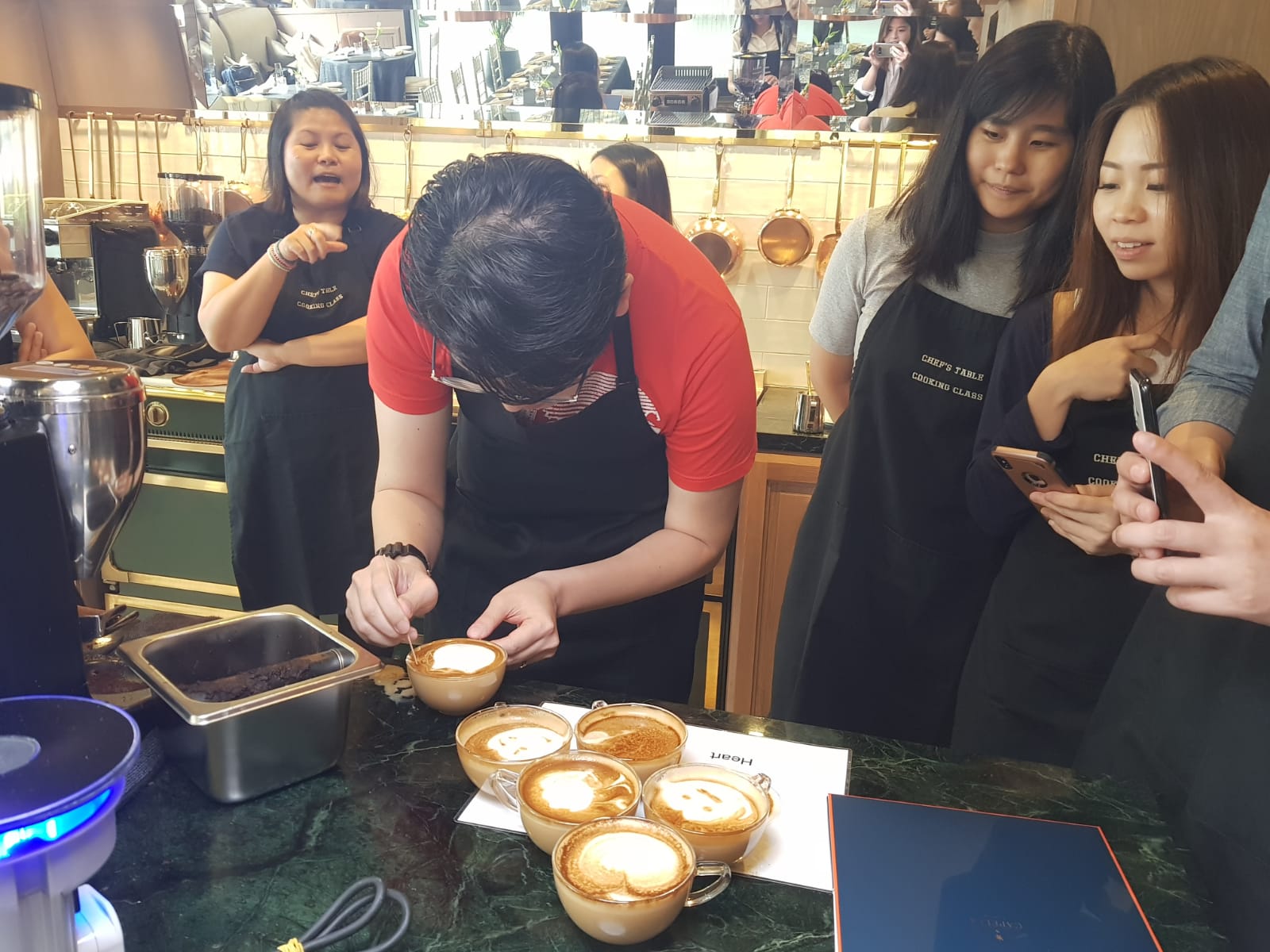
Free Coffee Workshop Singapore
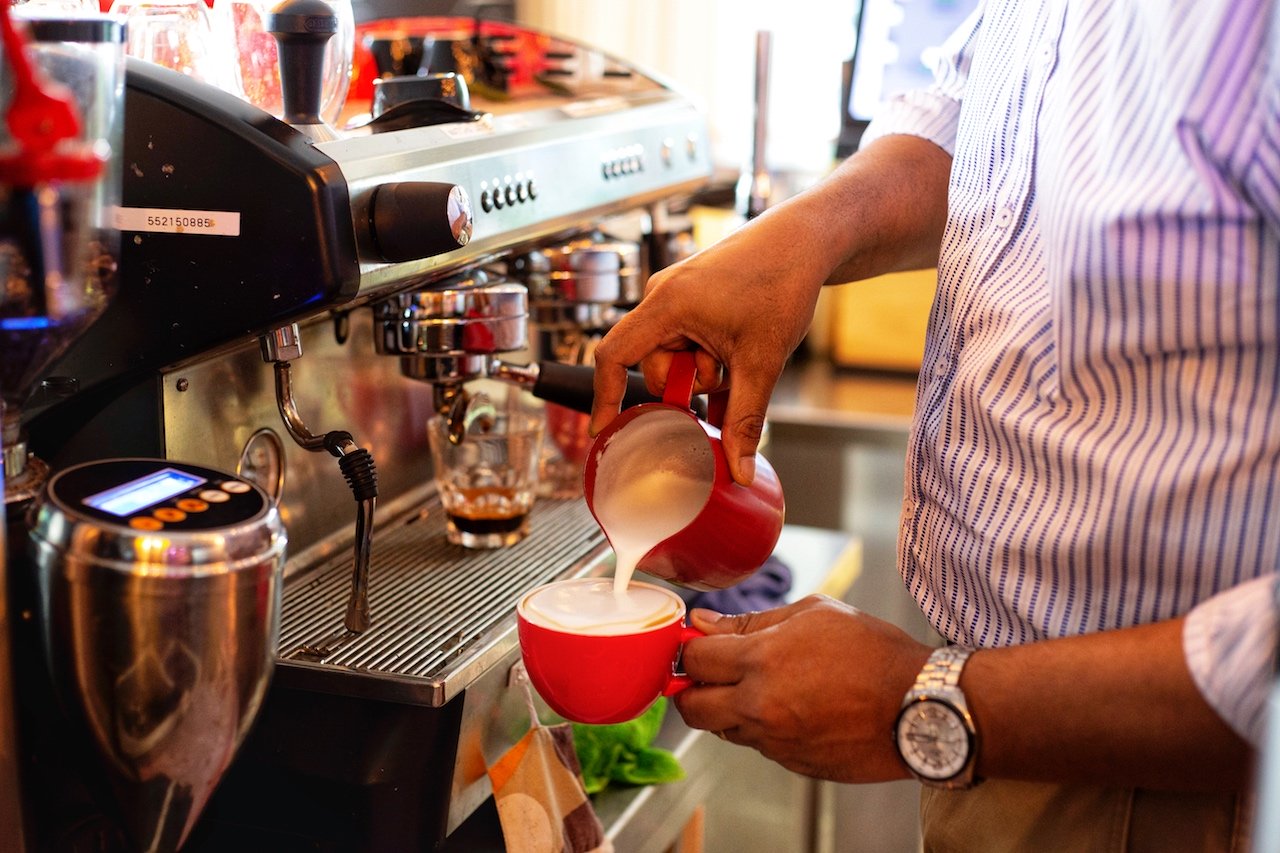
Enjoy Free Coffee in Singapore!
Sponsors
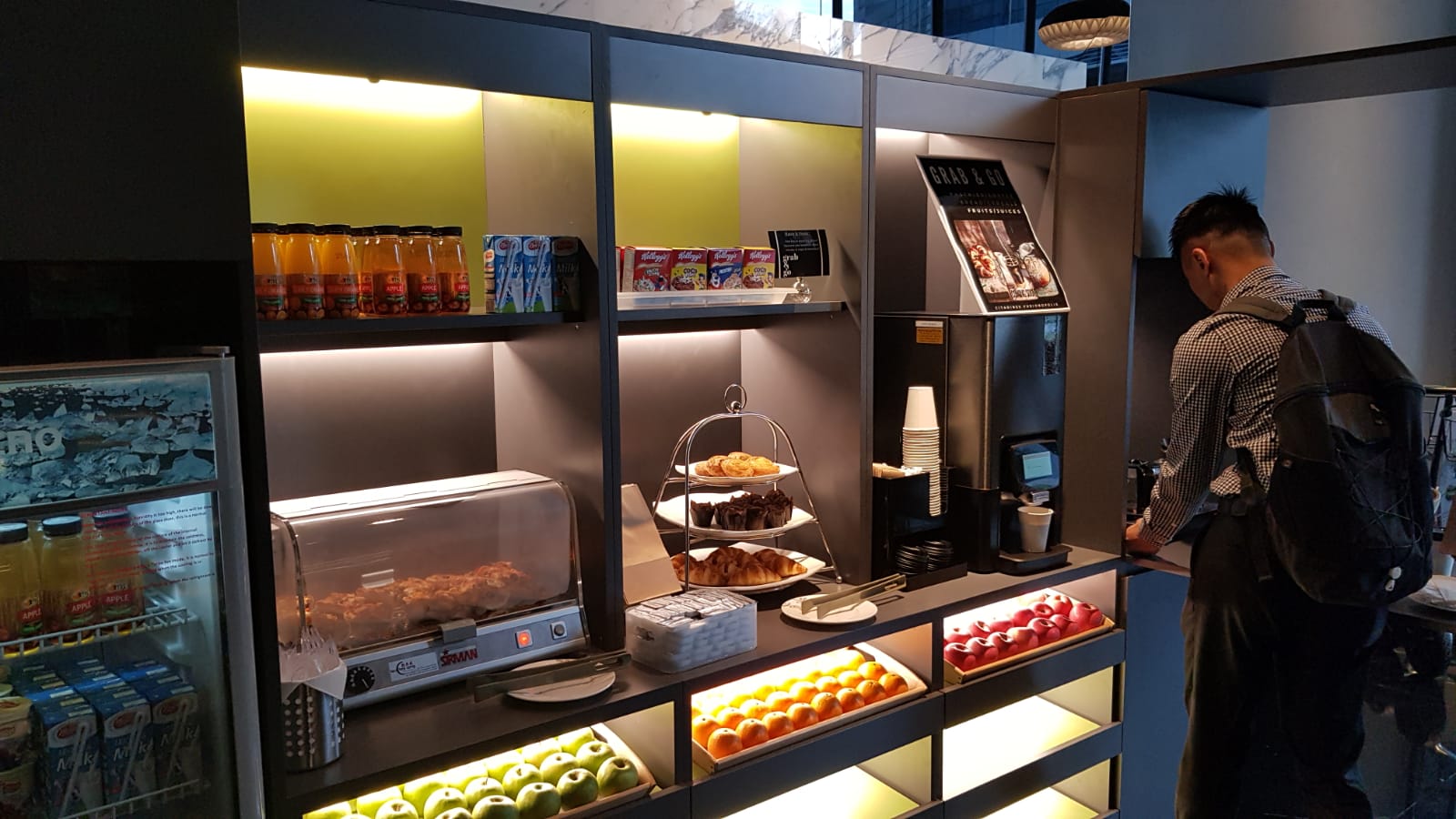
Choosing: Office Coffee Machine

Free: Augmented Reality in Singapore
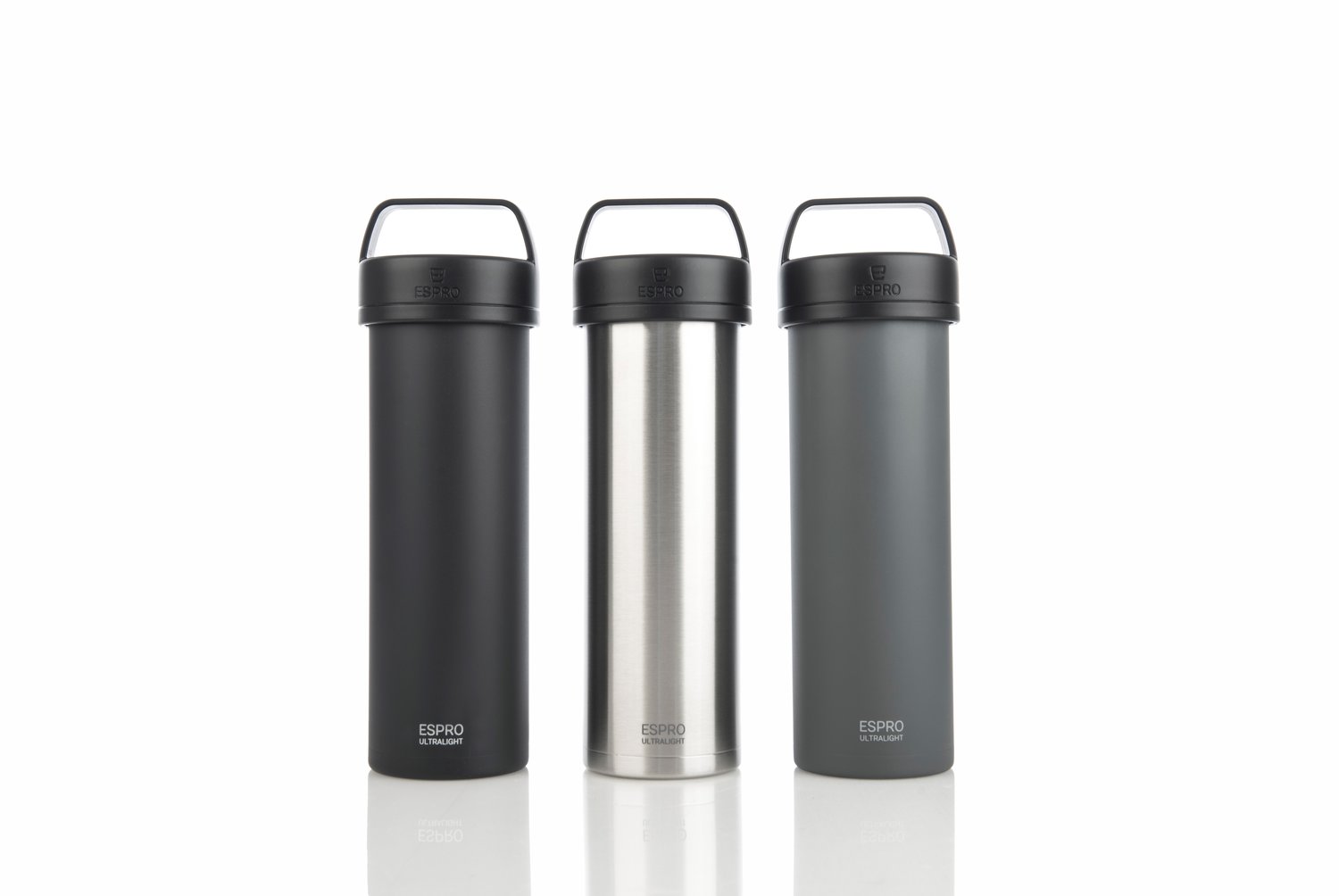
Learn more about ESPRO UltraLight in Singapore
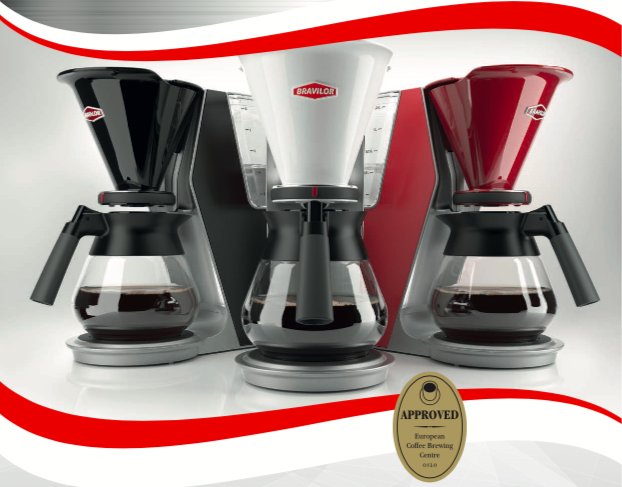
The best filter Coffee Machine in Singapore
SkillsFuture Series: F&B Market outlook
- Venue: Temasek Polytechnic
- Date: 25 June 21
- Time:9 to 6 pm
- Contact us for more details