Possible to brew whole bean coffee?
Is it possible to brew coffee using whole beans, i.e. to have whole bean coffee?Usually we use coffee grounds to brew coffee. Can one use a whole bean, i.e. a bean that has been roasted but not ground to make whole bean coffee?
I suspect, that if we took whole coffee beans and immersed them in either hot ot cold water the result, after perhaps a day or two, would be softened beans and murky water.
Whether or not the result could b classified as gourmet coffee is questionable. Certainly, the need for coffee roasting to convert green coffee to roasted coffee is a given.

Love coffee? Here is some more "free stuff"! Learn more with this ebook (is free!)
Office Coffee Survey | Sample Size: More than 1000 office workers | Location: Singapore Business District
How Much does it cost to rent a coffee machine? You will be surprised at the cost!
Some of the highly recommended good office coffee machines with grinder
4 most popular and common office coffee machines
3 ways to get your office coffee maker without purchasing
Getting a Coffee Bean Machine Rental from the world largest Coffee Roaster.

Green coffee beans could even be considered toxic under certain circumstances. Green beans do not have to be placed in a commercial coffee roaster to be roasted – it can even be done at home.
Whether or not you use Fair Trade Coffee beans will also not ultimately influence the possibility of making whole bean coffee (although most would find fair trade coffe in grounds form, at its original form, it is still coffee beans). Using Fair Trade Coffee beans might ease your conscience, that is about all.
In order for efficient percolation and extraction to occur, the coffee bean needs to be broken up.
It can be done using crude methods such as hacking it by hand with a knife or you can use a sophisticated conical burr grinder to reduce the whole bean to fragments.
Once reduced to the broken stage, the percolation process or leeching process (if you are using the cold brew method) can commence.
The exposed interior of the bean is now able to release the full flavor and taste that makes coffee what it is; coffee. For as long as the bean is whole, it is difficult to expose the “goodness and flavor” of the bean to the water.
There are many schools of thought about how fine a coffee bean must be ground in order to able to extract the full flavor and aroma of the bean.
Some feel that he bean needs to be converted to particles small enough to be like powder whereas others feel a more coarse ground is better.
The needs of the different brew process differ in any case. Be that as it may, whole bean coffee is a misnomer in the sense that it is not possible to brew coffee from whole beans and thereby create “whole bean coffee”.
Even if you used a significant volume of whole beans the chances are that you will be disappointed with the result.
About US | OCM Profile
OCM (OnCoffeeMakers.com) was started in 2007 with the first webpage about coffee machines. And for a number of years, we focused on helping people find their desired coffee machine (we still are helping folks with that! So, if you are looking for coffee machines for office or restaurants - check out the link).
In 2010, we started getting enquiries on restaurant marketing and we start to help food and beverage brands with their marketing. Below are campaigns and events that we have done over the years:
OCM's campaigns: F&B Marketing Ideas by OCM
OCM's Events: F&B Industry events by or with OCM
Check out this restaurant marketing guide to learn more about the many campaigns and companies we have worked with.
Since then, we have also created many marketing workshops and classes for the F&B industry. Many of these modules are still running in tertiary institutions such as Temasek Polytechnic Skillsfuture Academy and also ITE College East COC classes, below are some snippets of our lectures and workshops:
OCM’s F&B workshops: Food and Beverage Marketing Lectures | Workshops - click to watch classes on customer journey map, JTBD and more.
So, if you are looking for industry practitioners to help you scale your coffee or F&B businesses, do drop us a message or book an appointment. Do also check out our various social media platforms on regular F&B and coffee market updates:
For regular coffee (F&B) related videos: OCM Youtube
For Daily Coffee Inspiration (fun coffee content): OCM IG
For insights into the coffee (F&B) industry: OCM LinkedIN
PS: For the coffee lovers, we continue to share coffee articles (and videos) and have also started a free coffee class section (with free online coffee training supported by coffee partners).
OCM Recommends
Latest event/Webinar

Learn more about the event on The Power of Market Research organised by Alumni of Adelaide University.
**Gain insights into Singapore Industry with a free F&B industry report valued at $495.
See you on 24 August 1630 hr. (Sign up below)
Free tickets code: adelaide0823
Starting a coffee shop?: Free Cafe Setup cost Calculator
Featured coffee brewing method: How to prepare V60 Coffee?
Previously: Making Coffee with a Coffee Sock.
Recent Articles


-
Tim Hortons Singapore is a Canadian Coffee Chain?
Nov 16, 23 09:00 AM
 Do you know that Tim Hortons Singapore is a Canadian Coffee Chain? Apparently only 46% knows that in our IG poll!
 -
Coffee report on WMF Coffee Machine Brand in Singapore
Oct 11, 23 03:45 AM
 Coffee report on WMF Coffee Machine Brand in Singapore
 -
What is the target market for Starbucks?
Oct 08, 23 11:04 PM
 What is the target market for Starbucks - research by tertiary students in Singapore
Featured: Office Coffee Machines
Follow Oncoffeemakers.com's board Office Coffee Machines | Singapore on Pinterest.Do check out other cool boards such as the one all on how to make coffee and drip coffee.
Food and Beverage (F&B) Articles
Sustainability Practices in Food Service
3 Free Restaurant Marketing Ideas
Singapore Cafes Reviews -Can they be Trusted?
Location, location, location might be a myth!
Walmart and Walter -The Power of Social Media!
Importance of value pricing for Cafes In Singapore
Why Nescafe is still the Largest Roaster in the World?
Everyone likes Starbucks -here's why
Is your Cafe location an asset or a liability?
Location myopia: why good anchor tenant might not be good?
Measuring the Location attractiveness index.
Social Media Crisis Management for Cafes in Singapore

Free event
Promo
Key in code before check out: WCMFIRST10OFF
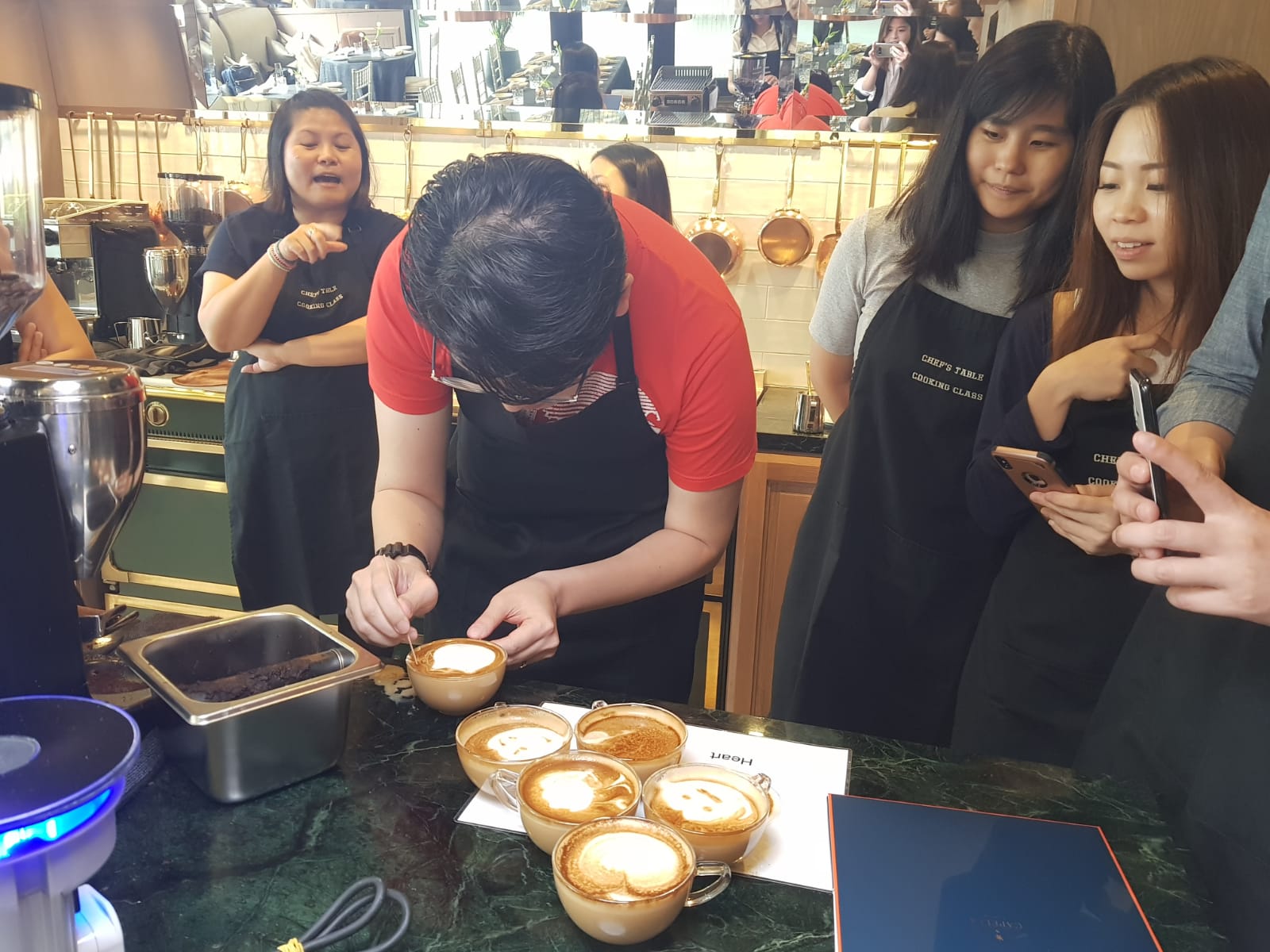
Free Coffee Workshop Singapore
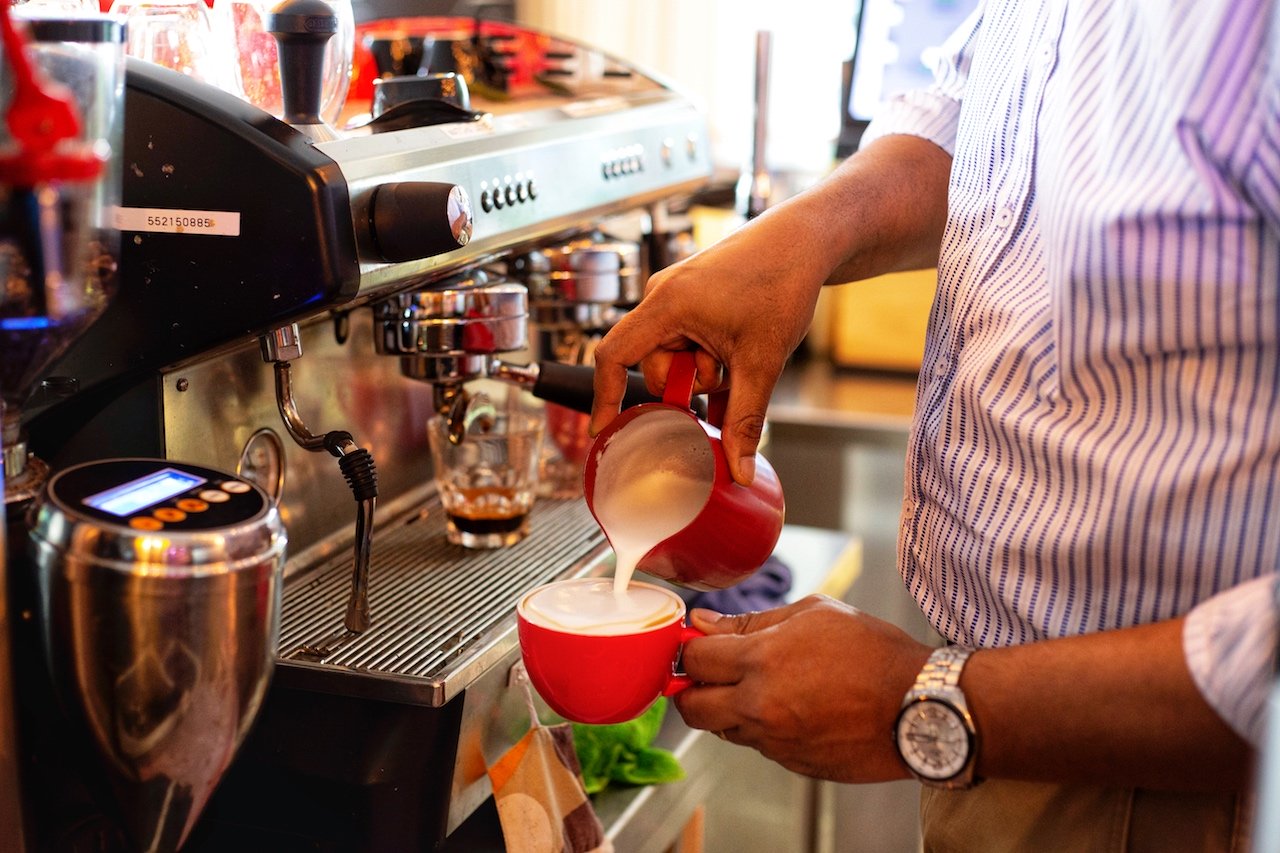
Enjoy Free Coffee in Singapore!
Sponsors
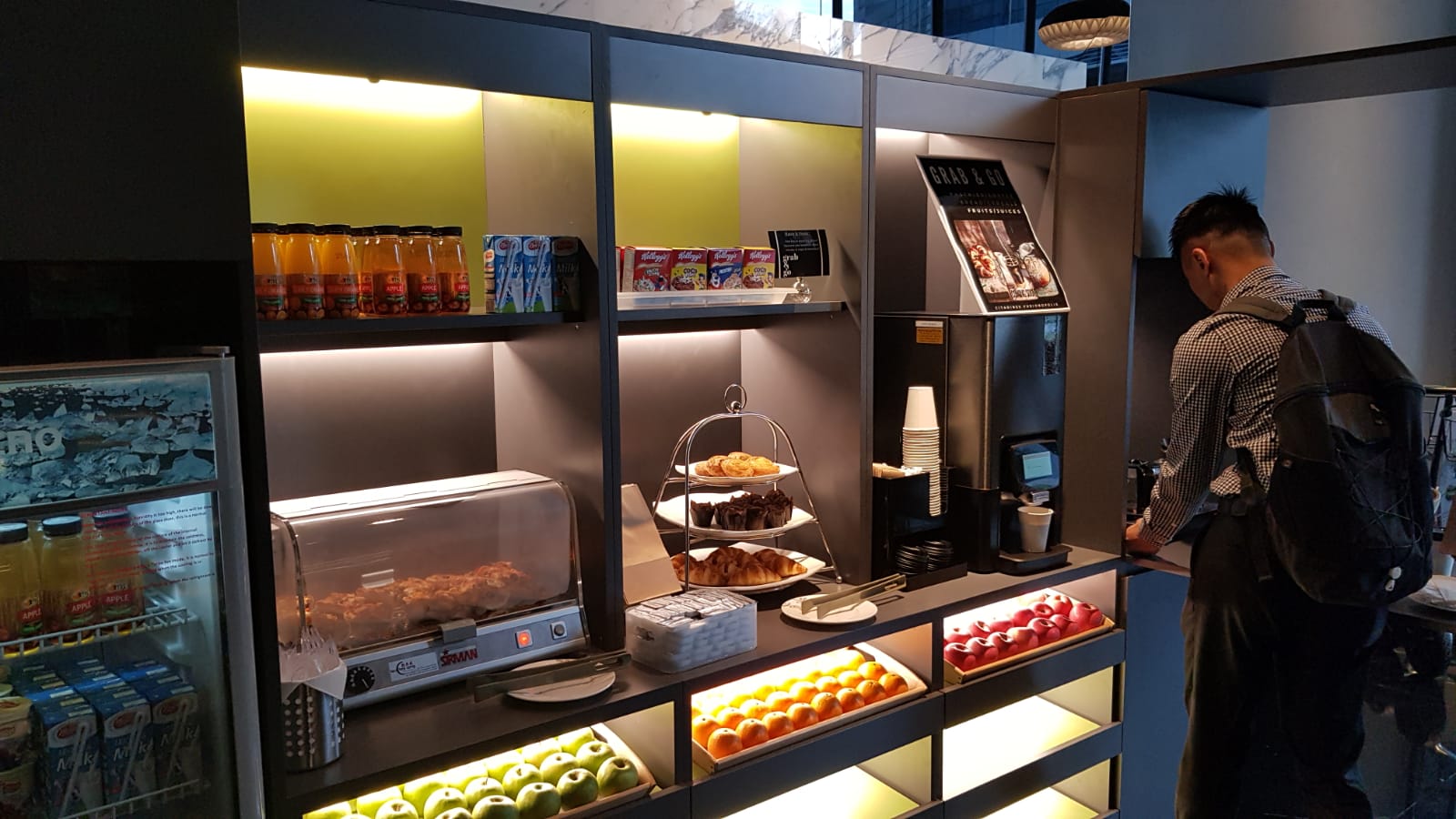
Choosing: Office Coffee Machine
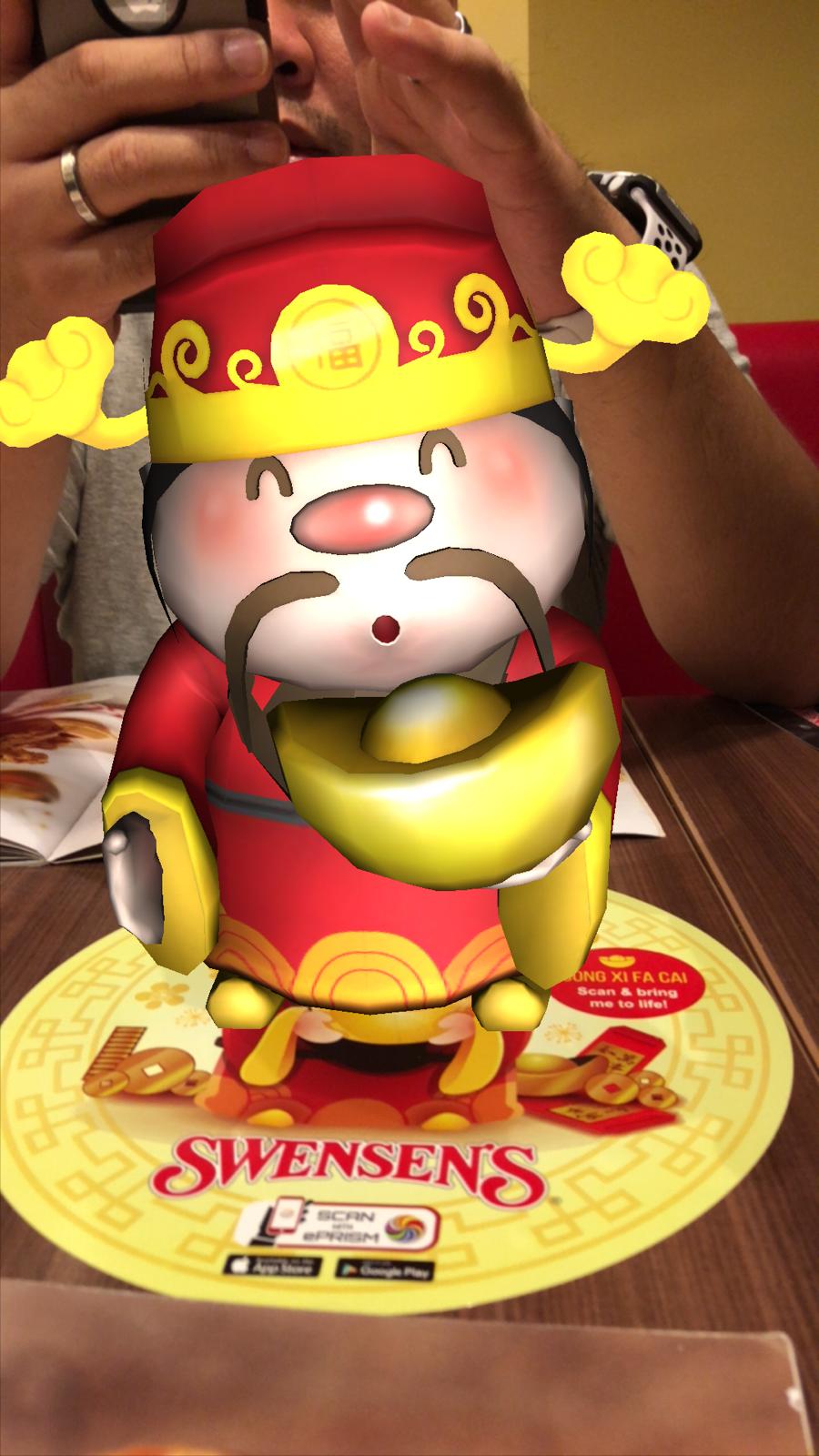
Free: Augmented Reality in Singapore
Learn more about ESPRO UltraLight in Singapore
The best filter Coffee Machine in Singapore
SkillsFuture Series: F&B Market outlook
- Venue: Temasek Polytechnic
- Date: 25 June 21
- Time:9 to 6 pm
- Contact us for more details