The Differences between Coffee
and Espresso Makers
What are the differences between coffee and espresso makers? The main differences between coffee and espresso makers are these:
Coffee and .espresso makers difference 1: Brewing espresso takes a shorter amount of time than brewing regular coffee.
Espresso is brewed by forcing a small amount of nearly boiling water into tightly packed, finely ground coffee beans. Espresso machines are able to generate pressure (8 to 10 bar of pressure is ideal) to force the hot water through the coffee grounds.
As such, the brewing time for espresso is significantly shorter, which varies around 25 seconds, depending on the fineness and consistency of the grind.
The end result of this high-pressure brew is a small amount of intensified coffee with a small amount of foam (or crema) on top.
On the other hand, brewing non-espresso, regular, or drip coffee does not make use of pressure to force the water through the coffee grounds.

Love coffee? Here is some more "free stuff"! Learn more with this ebook (is free!)
Stuff on office coffee machines
How coffee machine suppliers can offer low or even no payment for most of the barista coffee machine rental.
Looking for a office coffee machine with touch screen, then read more about these machines' technology.
Do you know that the first office coffee service provider is also the world's largest coffee roaster?
4 Common and Popular types of Office Coffee Machines
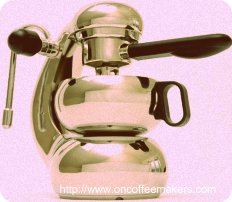
Instead, nearly boiling water drips into the filter basket, which contains the coffee grounds. The hot water stays in contact with the grounds for a longer period of time, before it eventually seeps through the coffee filter.
As the hot water stays in contact with the coffee grounds, it extracts the flavor, aroma, and oils of the coffee. As such, the brewing time of regular coffee takes a longer amount of time, since the hot water stays in contact with the coffee grounds for much longer before it seeps through the coffee filter and into the coffee pot or mug.
Coffee and espresso makers difference 2: The method of preparing regular coffee is easier and less time-consuming than the method of preparing espresso.
The method of preparing regular coffee is simpler, easier, and less time-consuming. It consists of grinding a batch of coffee beans to a medium or coarse consistency and transferring the coffee grounds into the coffee filter.
Then, the coffee filter is inserted into the filter basket of the coffee maker, and filling up the water tank of the coffee maker with a sufficient amount of water. Then, just activate the machine. After a few minutes, a freshly brewed pot of coffee is ready to be served.
On the other hand, the method of preparing espresso requires a bit of skill, which is developed only through experience. After grinding a batch of espresso beans into a fine consistency, the resulting grounds must be tightly and evenly packed in order to get a good shot of espresso.
This requires the proper use of grinding, dosing, distributing, and tamping so that the water is evenly distributed as it is forced through the grounds. The proper use of these skills isn’t learned overnight. Developing these skills take a lot of practice and experience.
Furthermore, to make milk-based espresso drinks, one must also make good use of the frother, which can be seen in most espresso machines.
A frother is basically an attachment of an espresso machine that is used to direct steam and aerate milk to produce a foamy mixture called froth. Using the frother requires a bit of finesse and technique to make good froth.
Coffee and espresso makers difference 3: Espresso machines are more expensive than drip coffee makers.
The last main difference between coffee and espresso makers can be seen in their respective price tags.
The most affordable steam espresso machine will always come out more expensive than the most affordable drip coffee maker. Espresso machines make use of more intricate mechanisms to heat up water, create steam, and produce pressure.
However, do not let this discourage you from getting an espresso maker for your own home. In fact, you do not need to own separate machines to enjoy both coffee and espresso.
There are numerous dual coffee espresso machines in the market, which allow you to brew both coffee and espresso from one machine.
Furthermore, Italian families have been using a very affordable espresso maker in their own homes for over 100 years, which is the moka or stovetop espresso maker.
This simple device hasn’t changed much in the last century, but it is what they have been using to enjoy a cup of espresso without the need for spending top dollar for an espresso machine.
The moka or stovetop espresso maker is a very affordable solution for those who want to experience the fabled Italian coffee experience in their own home.
About US | OCM Profile
OCM (OnCoffeeMakers.com) was started in 2007 with the first webpage about coffee machines. And for a number of years, we focused on helping people find their desired coffee machine (we still are helping folks with that! So, if you are looking for coffee machines for office or restaurants - check out the link).
In 2010, we started getting enquiries on restaurant marketing and we start to help food and beverage brands with their marketing. Below are campaigns and events that we have done over the years:
OCM's campaigns: F&B Marketing Ideas by OCM
OCM's Events: F&B Industry events by or with OCM
Check out this restaurant marketing guide to learn more about the many campaigns and companies we have worked with.
Since then, we have also created many marketing workshops and classes for the F&B industry. Many of these modules are still running in tertiary institutions such as Temasek Polytechnic Skillsfuture Academy and also ITE College East COC classes, below are some snippets of our lectures and workshops:
OCM’s F&B workshops: Food and Beverage Marketing Lectures | Workshops - click to watch classes on customer journey map, JTBD and more.
So, if you are looking for industry practitioners to help you scale your coffee or F&B businesses, do drop us a message or book an appointment. Do also check out our various social media platforms on regular F&B and coffee market updates:
For regular coffee (F&B) related videos: OCM Youtube
For Daily Coffee Inspiration (fun coffee content): OCM IG
For insights into the coffee (F&B) industry: OCM LinkedIN
PS: For the coffee lovers, we continue to share coffee articles (and videos) and have also started a free coffee class section (with free online coffee training supported by coffee partners).
OCM Recommends
Latest event/Webinar

Learn more about the event on The Power of Market Research organised by Alumni of Adelaide University.
**Gain insights into Singapore Industry with a free F&B industry report valued at $495.
See you on 24 August 1630 hr. (Sign up below)
Free tickets code: adelaide0823
Starting a coffee shop?: Free Cafe Setup cost Calculator
Featured coffee brewing method: How to prepare V60 Coffee?
Previously: Making Coffee with a Coffee Sock.
Recent Articles


-
Tim Hortons Singapore is a Canadian Coffee Chain?
Nov 16, 23 09:00 AM
 Do you know that Tim Hortons Singapore is a Canadian Coffee Chain? Apparently only 46% knows that in our IG poll!
 -
Coffee report on WMF Coffee Machine Brand in Singapore
Oct 11, 23 03:45 AM
 Coffee report on WMF Coffee Machine Brand in Singapore
 -
What is the target market for Starbucks?
Oct 08, 23 11:04 PM
 What is the target market for Starbucks - research by tertiary students in Singapore
Featured: Office Coffee Machines
Follow Oncoffeemakers.com's board Office Coffee Machines | Singapore on Pinterest.Do check out other cool boards such as the one all on how to make coffee and drip coffee.
Food and Beverage (F&B) Articles
Sustainability Practices in Food Service
3 Free Restaurant Marketing Ideas
Singapore Cafes Reviews -Can they be Trusted?
Location, location, location might be a myth!
Walmart and Walter -The Power of Social Media!
Importance of value pricing for Cafes In Singapore
Why Nescafe is still the Largest Roaster in the World?
Everyone likes Starbucks -here's why
Is your Cafe location an asset or a liability?
Location myopia: why good anchor tenant might not be good?
Measuring the Location attractiveness index.
Social Media Crisis Management for Cafes in Singapore

Free event
Promo
Key in code before check out: WCMFIRST10OFF
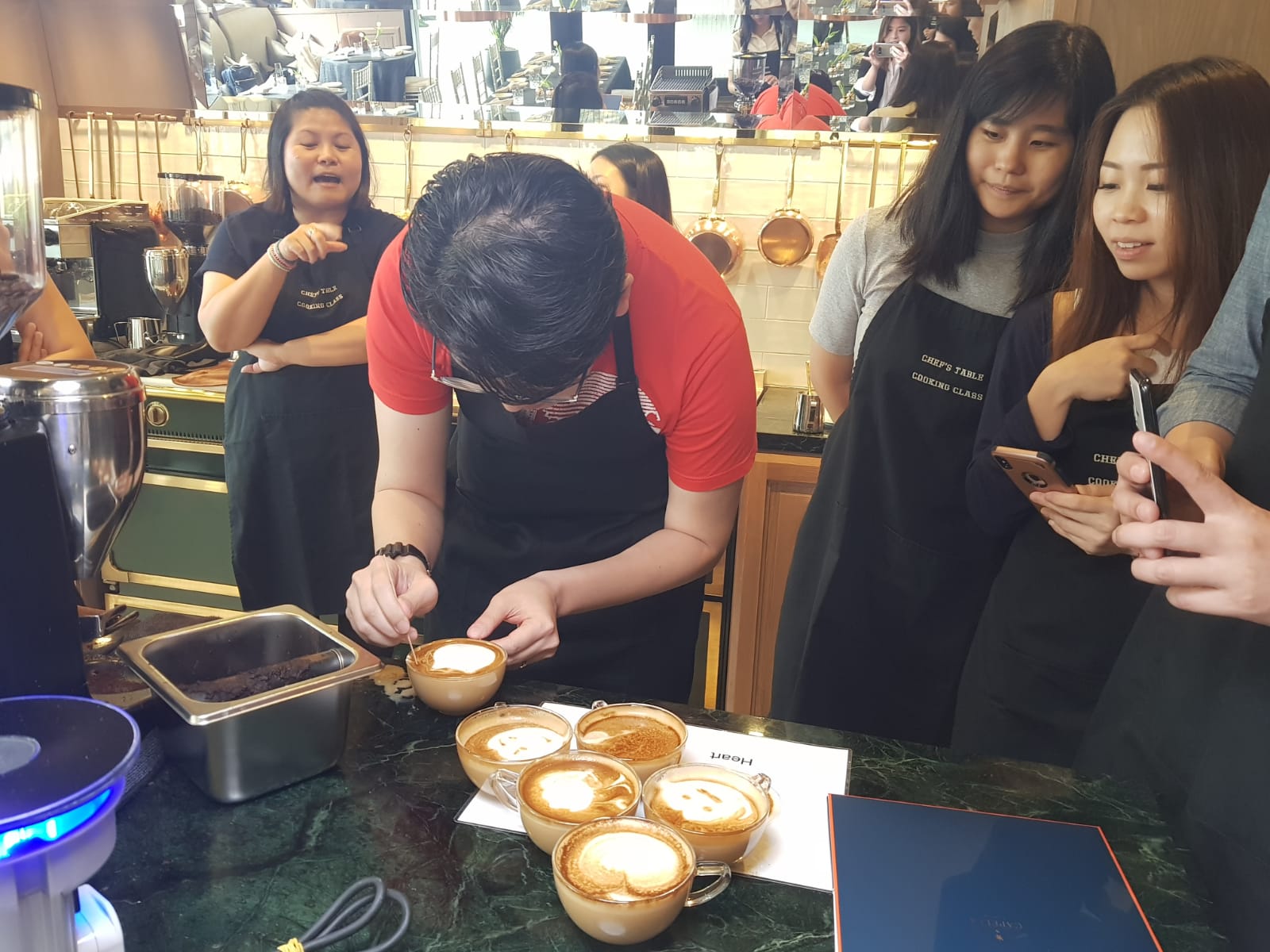
Free Coffee Workshop Singapore
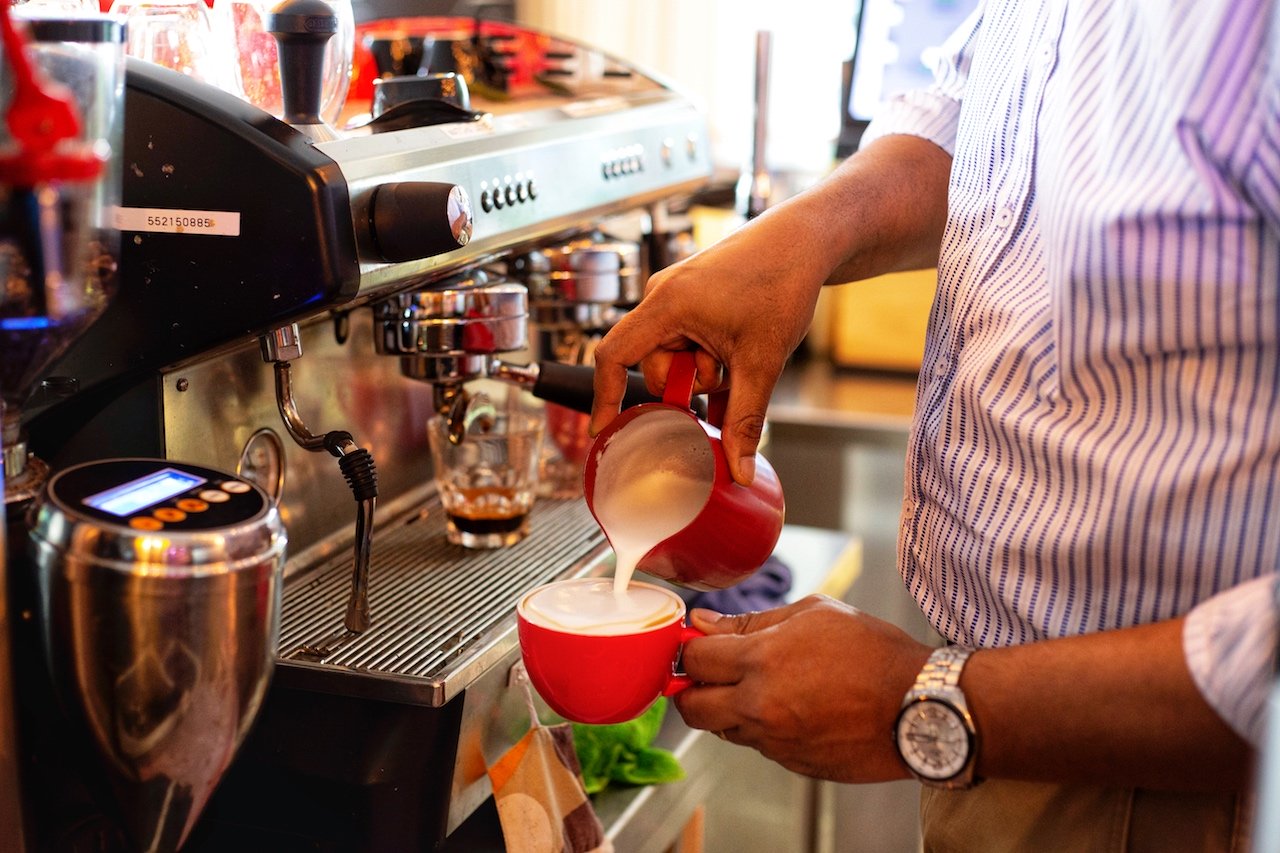
Enjoy Free Coffee in Singapore!
Sponsors
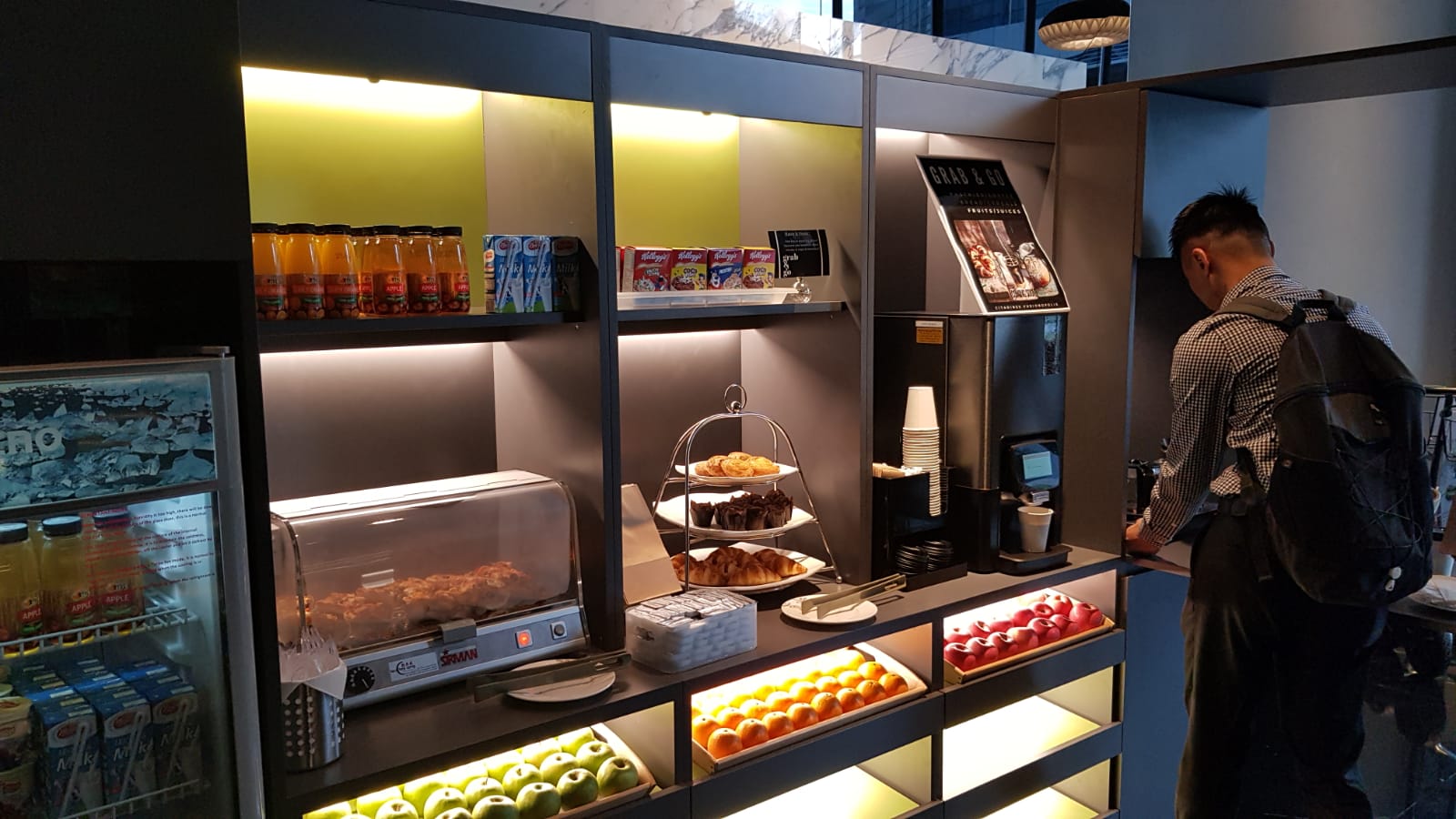
Choosing: Office Coffee Machine
Free: Augmented Reality in Singapore
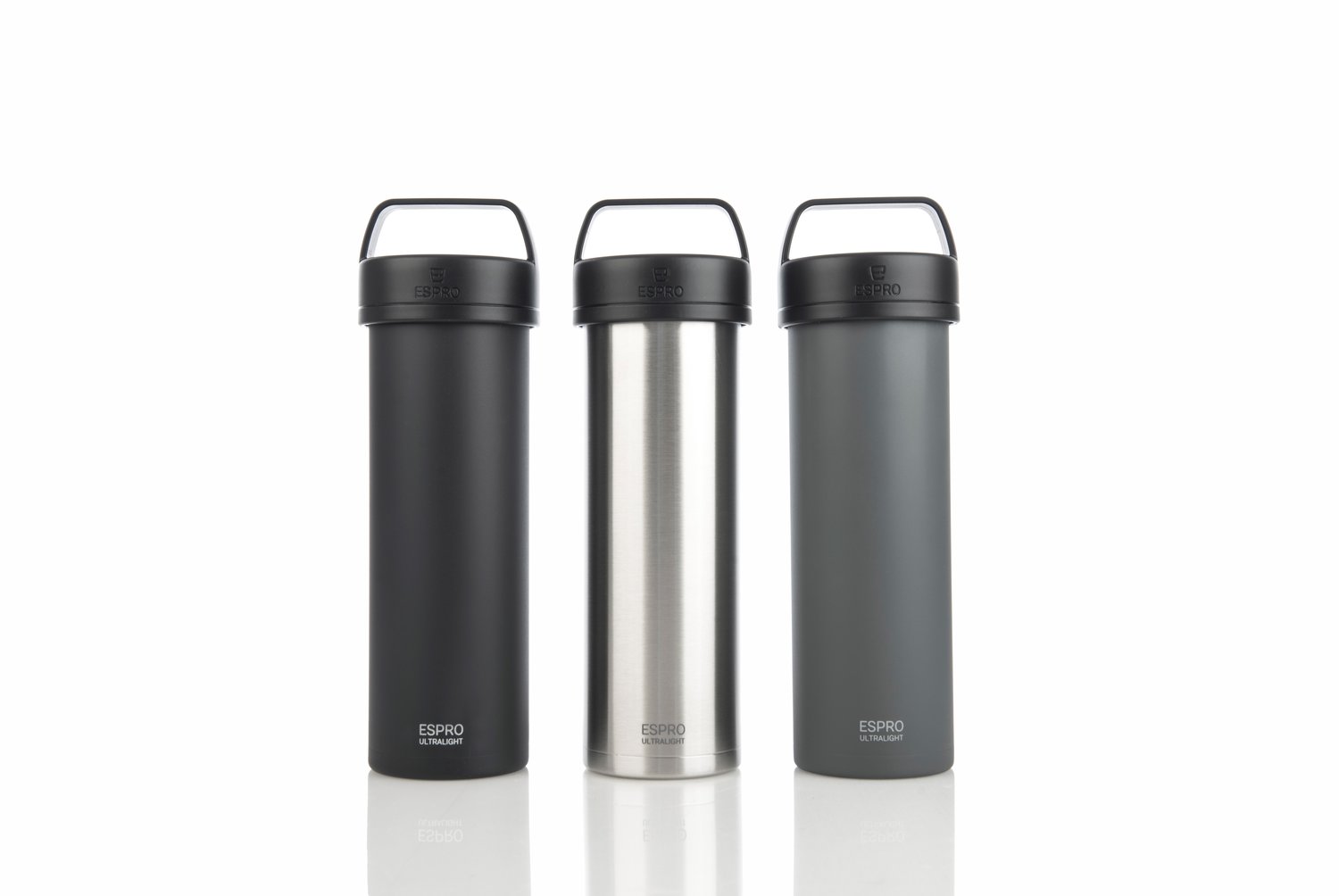
Learn more about ESPRO UltraLight in Singapore
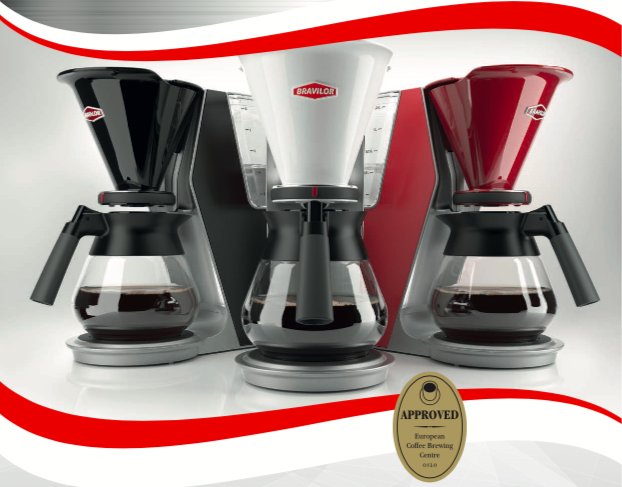
The best filter Coffee Machine in Singapore
SkillsFuture Series: F&B Market outlook
- Venue: Temasek Polytechnic
- Date: 25 June 21
- Time:9 to 6 pm
- Contact us for more details